1ST PLACE WINNER

Design-a-thon: PATCHWORK

GROUP

DESIGNATHON

VIEW IN DEVPOST

BRIEF OVERVIEW

ROLE: Ideation, Design, Team Leader

TOOLS: Figma

PLATFORM: Mobile App

TIMELINE: 24 Hours

DESIGN-A-THON PROMPT:

Designing for Nostalgia and Joy

In a world of automation and optimization, how can we create digital experiences that feel more human that evoke nostalgia and joy?
WHAT WE CAME UP WITH:

WHAT WE CAME UP WITH:

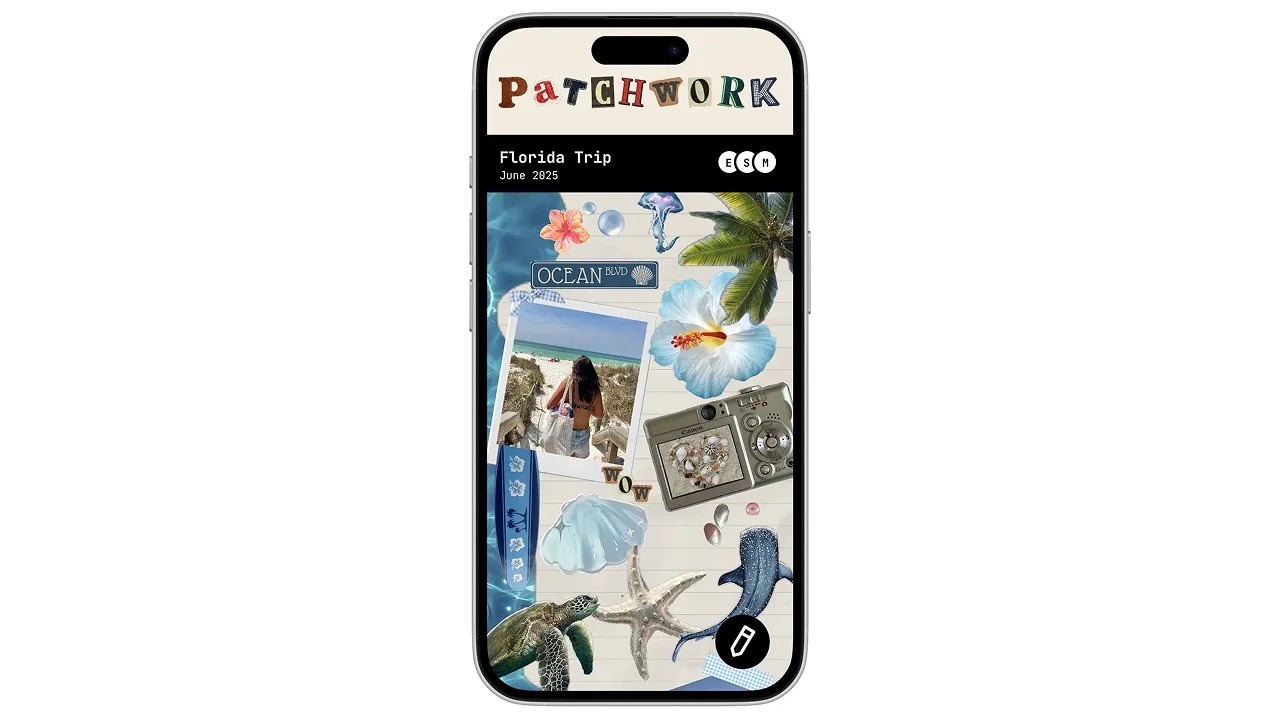
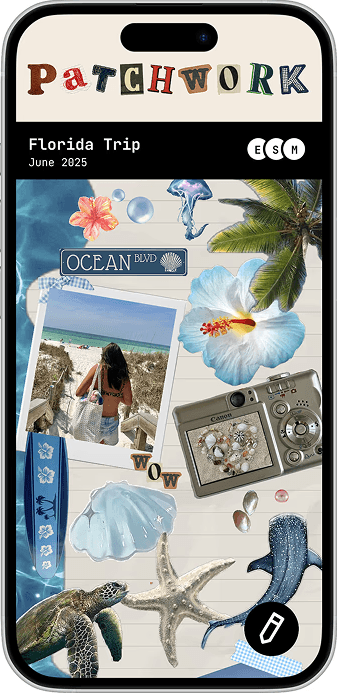
Before social media, joy looked different — more tactile, more intentional. Patchwork brings that back. Patchwork is a collaborative mobile scrapbook app built around Events — shared spaces tied to real moments, like a trip, a dinner out, or a random weekend with friends. Here's how it works:

  • Users create an Event, name it, and invite collaborators.

  • Inside the Event, everyone builds scrapbook pages together in real time — adding photos, placing stickers, writing in expressive fonts, doodling, and customizing backgrounds.

  • Live avatar indicators show who's editing, a nod to the collaborative energy of early 2000s web tools.

  • Events are saved in a personal gallery to revisit anytime.

Before social media, joy looked different — more tactile, more intentional. Patchwork brings that back. Patchwork is a collaborative mobile scrapbook app built around Events — shared spaces tied to real moments, like a trip, a dinner out, or a random weekend with friends. Here's how it works:

  • Users create an Event, name it, and invite collaborators.

  • Inside the Event, everyone builds scrapbook pages together in real time — adding photos, placing stickers, writing in expressive fonts, doodling, and customizing backgrounds.

  • Live avatar indicators show who's editing, a nod to the collaborative energy of early 2000s web tools.

  • Events are saved in a personal gallery to revisit anytime.

WALKTHROUGH & DEMO

HOW WE BUILT IT

We started in Figma Make to explore layouts and UI patterns quickly, iterating on the canvas editor, home feed, and export flow before committing to a direction. We drew visual inspiration from early 2000s web aesthetics and warm autumn palettes, deliberately moving away from the clean minimalism that dominates modern apps. From there we transitioned to classic Figma, building frames and auto layouts collaboratively — one small suggestion constantly sparking a larger feature or new direction.

We started in Figma Make to explore layouts and UI patterns quickly, iterating on the canvas editor, home feed, and export flow before committing to a direction. We drew visual inspiration from early 2000s web aesthetics and warm autumn palettes, deliberately moving away from the clean minimalism that dominates modern apps. From there we transitioned to classic Figma, building frames and auto layouts collaboratively — one small suggestion constantly sparking a larger feature or new direction.

CHALLENGES WE RAN INTO

Our biggest challenge was conveying interactivity in a static design tool. The core Patchwork experience — dragging photos and stickers onto a canvas, repositioning and layering them — is fundamentally kinetic. Figma's prototyping tools helped with transitions, but capturing the tactile feel of placing a polaroid or plopping a sticker in exactly the right spot required creative workarounds we couldn't fully resolve.


Our biggest challenge was conveying interactivity in a static design tool. The core Patchwork experience — dragging photos and stickers onto a canvas, repositioning and layering them — is fundamentally kinetic. Figma's prototyping tools helped with transitions, but capturing the tactile feel of placing a polaroid or plopping a sticker in exactly the right spot required creative workarounds we couldn't fully resolve.


WHAT WE LEARNED

The best ideas came from the simplest questions — "What did we do before social media?" unlocked everything. We also saw firsthand how team momentum shapes a product: one small idea from one person became a defining element of the whole project. Building Patchwork reminded us why the concept resonated in the first place. We miss the version of sharing memories that was for us, not for an audience.

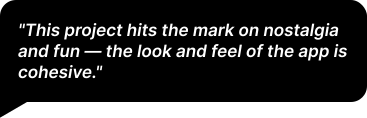
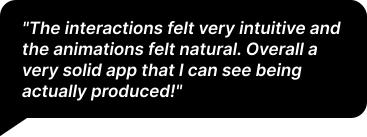
JUDGE'S FEEDBACK
WHAT'S NEXT FOR PATCHWORK

Features we'd love to build out:

  • Live collaborative view — real-time activity showing what each collaborator is editing, like Google Docs cursor tracking but more fun.

  • Cross-app integration — pull photos from Instagram or Google Photos and share finished pages out with a single tap.

  • Video support — embed short clips, boomerangs, and voice memos to make memories feel even more alive.

INTERACTIVE PROTOTYPE

Create a free website with Framer, the website builder loved by startups, designers and agencies.