I Miss Being Bored

I Miss Being Bored

Noelia Manion

Noelia Manion

October 28, 2025

“I’m bored.”

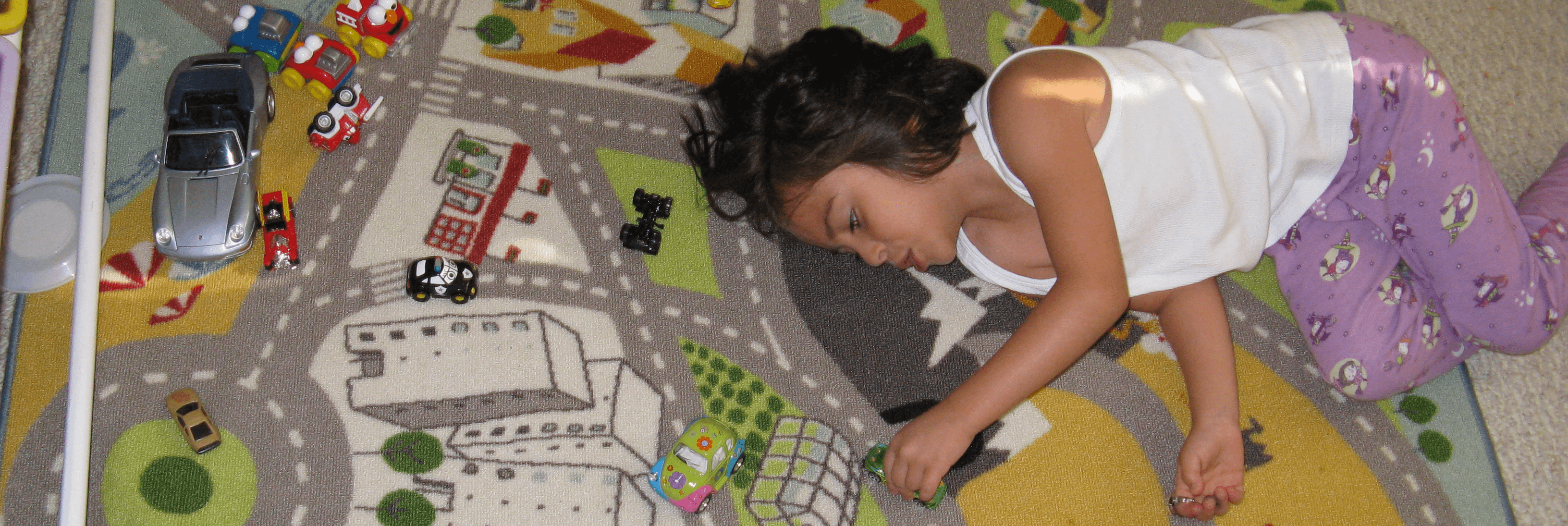
I can’t remember the last time I felt that—or said it out loud. But it used to be one of my most-used phrases, one that I’m sure my mom grew tired of hearing. “I’m bored,” I’d tell her once I’d exhausted all my menial tasks, like picking up the markers I’d left out on the table or finishing the book I’d started the week before. I’d bother her with my antics about having nothing to do, sitting in the kitchen while she stirred the pot on the stove. Twenty minutes later, I’d jump out of my chair and run to my room, a boredom cure having suddenly popped into my head.


The year was 2008, and like most weekends, I had ended up at my cousins’ house. After the typical greetings and catching up on whatever novelties our elementary school selves had to share, we were again faced with the same dilemma: boredom. There was no “easy fix”—no TikToks or Reels to scroll through and pass the time. Even movies felt too slow for our hyperactive minds. So, the ideation began. Born out of desperation to do something, three hours later we’d be upstairs surrounded by blanket forts and makeshift structures, inventing elaborate games that had us running, laughing, and playing until we were red-faced, sweating, and exhausted.
October 28, 2025

“I’m bored.”

I can’t remember the last time I felt that—or said it out loud. But it used to be one of my most-used phrases, one that I’m sure my mom grew tired of hearing. “I’m bored,” I’d tell her once I’d exhausted all my menial tasks, like picking up the markers I’d left out on the table or finishing the book I’d started the week before. I’d bother her with my antics about having nothing to do, sitting in the kitchen while she stirred the pot on the stove. Twenty minutes later, I’d jump out of my chair and run to my room, a boredom cure having suddenly popped into my head.


The year was 2008, and like most weekends, I had ended up at my cousins’ house. After the typical greetings and catching up on whatever novelties our elementary school selves had to share, we were again faced with the same dilemma: boredom. There was no “easy fix”—no TikToks or Reels to scroll through and pass the time. Even movies felt too slow for our hyperactive minds. So, the ideation began. Born out of desperation to do something, three hours later we’d be upstairs surrounded by blanket forts and makeshift structures, inventing elaborate games that had us running, laughing, and playing until we were red-faced, sweating, and exhausted.
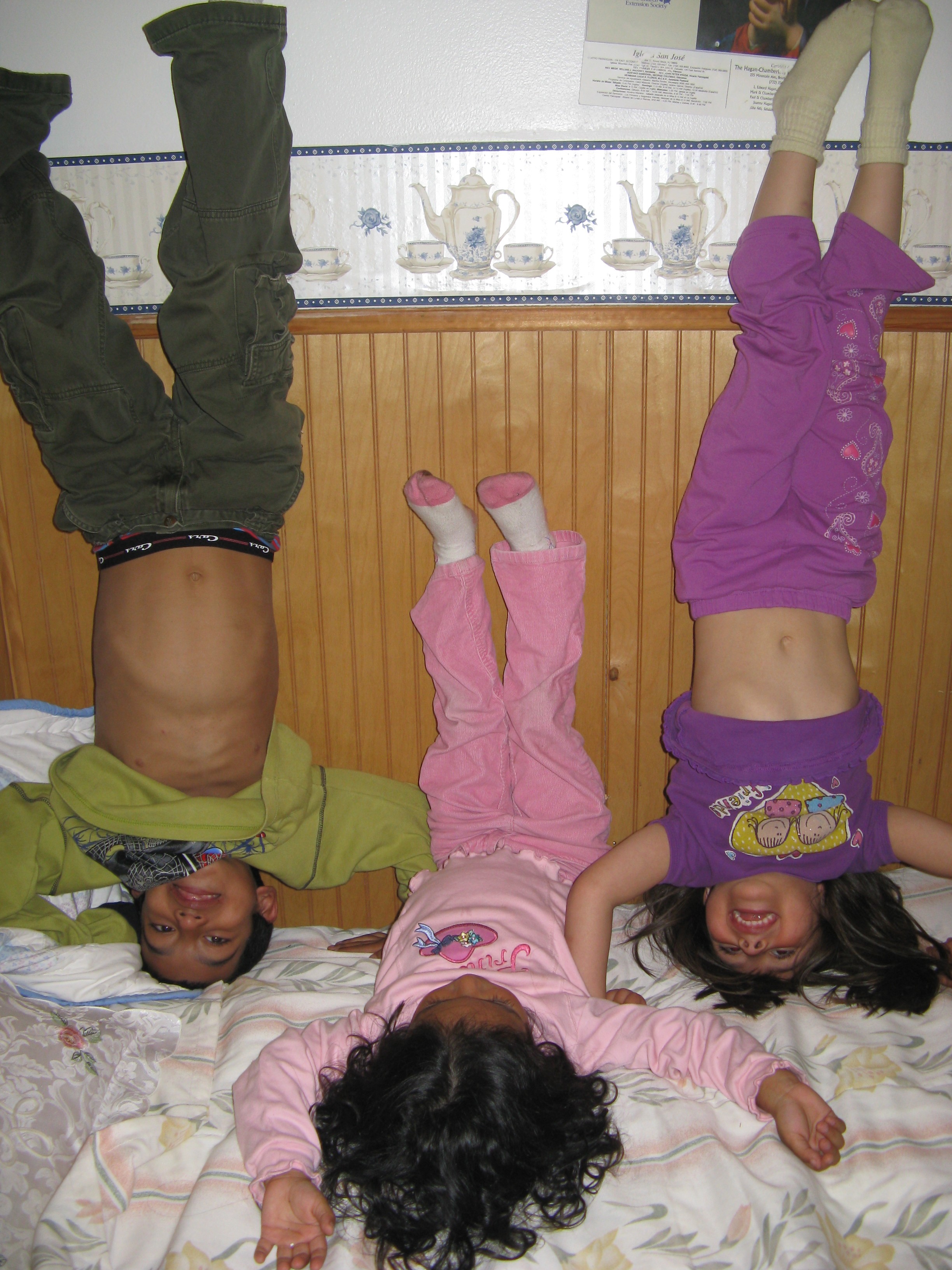
After the societal shift that I'm coining the "iPad Boom", I have never heard my younger cousins complain of boredom. If an ounce of downtime presents itself, there’s no pause to figure out what to do. Automatically, by habit, they take out their phones and open YouTube, Instagram, or TikTok—and just like that, their boredom is "cured". However, research shows that screen time can temporarily relieve feelings of boredom but may reduce long-term psychological well-being, particularly among children and adolescents (Twenge & Campbell, 2018). In reality, we don't need research to tell us that, because it is clear to anyone who lived through this shift. Kids are detached from reality, consumed by whatever is on their screen. But boredom was never meant to be a negative thing. It was never something to be cured. In fact, boredom is essential for boosting cognitive function and creativity. Studies show that allowing ourselves to experience boredom can improve problem-solving skills, spark imagination, and promote self-reflection.


Recent research reinforces this idea. A 2025 study by Ghanamah and colleagues found that excessive screen time in young children was linked to lower motor creativity, while physical activity had the opposite effect—enhancing creative thinking and innovation. It’s a reminder that creativity thrives when our minds and bodies are engaged, not constantly entertained. Even short tech breaks, like unplugging during a road trip, have been shown to strengthen attention, foster creativity, and deepen connections with others (National Geographic Society, 2022). When we remove boredom entirely, we also remove the conditions that help imagination grow.


Though the version of me in 2008 would have complained endlessly about being bored, today I, too, have resorted to the instant fix. I’ve forgotten what it feels like to not know what to do—to sit with it, to let my mind wander, and to find beautiful ways to fill the quiet. I want to sit and watch my mom stir the pot on the stove for 30 minutes. And I do find myself doing that nowadays, though ironically, as an escape from my screen. A "brain break." Somewhere along the line, we completely flipped the script, and myself and peers have discussed feeling equally burnt out from the internet, doomscrolling, and media. So whether it’s drawing, reading, playing a sport, or simply sitting and doing nothing, I want to feel bored again.

I miss being bored.


Sources
https://doi.org/10.3390/children12020116
https://doi.org/10.1016/j.pmedr.2018.10.003
https://www.nationalgeographic.com/family/article/taking-a-road-trip-tech-break

After the societal shift that I'm coining the "iPad Boom", I have never heard my younger cousins complain of boredom. If an ounce of downtime presents itself, there’s no pause to figure out what to do. Automatically, by habit, they take out their phones and open YouTube, Instagram, or TikTok—and just like that, their boredom is "cured". However, research shows that screen time can temporarily relieve feelings of boredom but may reduce long-term psychological well-being, particularly among children and adolescents (Twenge & Campbell, 2018). In reality, we don't need research to tell us that, because it is clear to anyone who lived through this shift. Kids are detached from reality, consumed by whatever is on their screen. But boredom was never meant to be a negative thing. It was never something to be cured. In fact, boredom is essential for boosting cognitive function and creativity. Studies show that allowing ourselves to experience boredom can improve problem-solving skills, spark imagination, and promote self-reflection.


Recent research reinforces this idea. A 2025 study by Ghanamah and colleagues found that excessive screen time in young children was linked to lower motor creativity, while physical activity had the opposite effect—enhancing creative thinking and innovation. It’s a reminder that creativity thrives when our minds and bodies are engaged, not constantly entertained. Even short tech breaks, like unplugging during a road trip, have been shown to strengthen attention, foster creativity, and deepen connections with others (National Geographic Society, 2022). When we remove boredom entirely, we also remove the conditions that help imagination grow.


Though the version of me in 2008 would have complained endlessly about being bored, today I, too, have resorted to the instant fix. I’ve forgotten what it feels like to not know what to do—to sit with it, to let my mind wander, and to find beautiful ways to fill the quiet. I want to sit and watch my mom stir the pot on the stove for 30 minutes. And I do find myself doing that nowadays, though ironically, as an escape from my screen. A "brain break." Somewhere along the line, we completely flipped the script, and myself and peers have discussed feeling equally burnt out from the internet, doomscrolling, and media. So whether it’s drawing, reading, playing a sport, or simply sitting and doing nothing, I want to feel bored again.

I miss being bored.


Sources
https://doi.org/10.3390/children12020116
https://doi.org/10.1016/j.pmedr.2018.10.003
https://www.nationalgeographic.com/family/article/taking-a-road-trip-tech-break

Create a free website with Framer, the website builder loved by startups, designers and agencies.